Lung Cancer Awareness
RECOGNISE THE SIGNS AND SYMPTOMS OF LUNG CANCER
- A persistent cough.
- Coughing up phlegm (sputum) with blood in it.
- Breathlessness – becoming out of breath doing things that you used to do without a problem.
- Chest and/shoulder aches and pains.
- Recurrent chest infections.
- Unexplained tiredness or lack of energy.
- Unexplained weight/appetite loss.
- A change in a long term cough or a cough that gets worse. It may sound different or be painful when you cough.
If you are experiencing any of these symptoms contact your GP surgery to arrange an appointment.
The likelihood is that everything will be ok, but it is always better to be safe and be checked over.
Risk factors:
- Smoking
- Passive smoking
- Environment
- Polluted air
- Heredity
- Viruses
- Exposure to radon gas
- Age
- Diseaes
- Fast food
- Alcohol
For more information about lung cancer and spotting the early symptoms please take a look at the flyer below:
Pancreatic Cancer Awareness

Do you know the signs of pancreatic cancer?
If you have any of the symptoms of pancreatic cancer, this can be a frightening and confusing time. Your symptoms may be for a number of reasons and having tests for pancreatic cancer does not mean you have the disease.
It is important to remember these symptoms can be caused by many different conditions, including irritable bowel syndrome or indigestion, and aren’t usually the result of cancer.
However, if you or a loved one regularly experience one or more of these identified pancreatic cancer symptoms which are not normal for you, do not ignore them, contact your GP straight away.
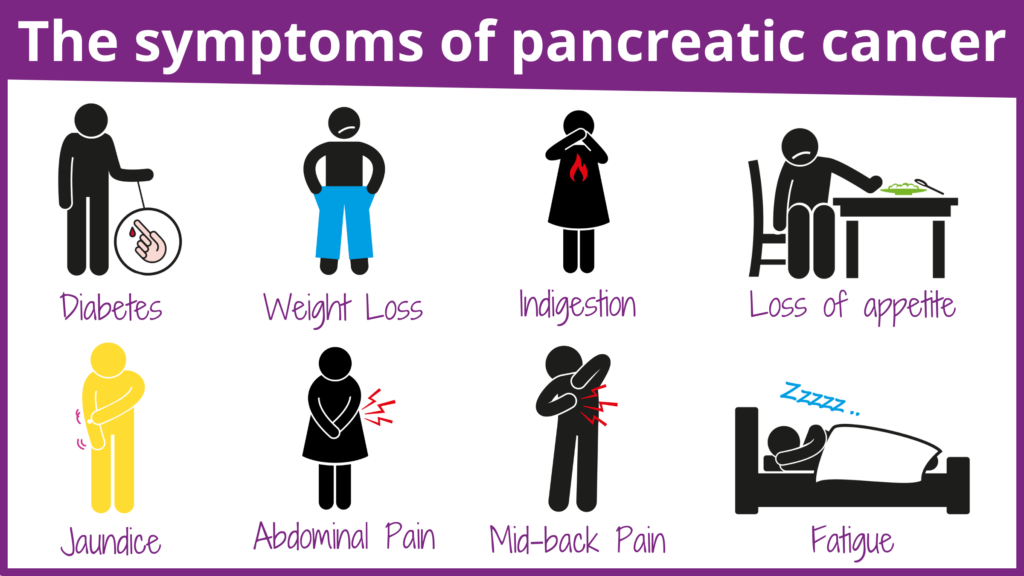
Text from above image:
The symptoms of pancreatic cancer:
- Diabetes
- Weight loss
- Indigestion
- Loss of appetite
- Jaundice
- Abdominal pain
- Mid-back pain
- Fatigue
I’m concerned, what should I ask my doctor?
You may be struggling to know what to ask your doctor, and how to cope while you are waiting to find out the cause of your symptoms.
Asking some of the questions listed here may help you to understand your symptoms, how they can be managed, and what happens next. There are no right or wrong questions to ask your doctor and they used to answering all sorts of questions or signposting you to services that may be able to help.
- What tests will I need to diagnose pancreatic cancer?
- What other conditions are my symptoms likely to be?
- What can you do to help my symptoms?
- What should I do if my symptoms do not get better or get worse?
- Do I need to see any other professionals or specialists?
For more useful information on pancreatic cancer please visit the websites below:
Mouth Cancer Action
The sooner mouth cancer is detected the much better chance there is of beating it.
The most common symptoms are:
- Mouth ulcers that are painful and do not heal within several weeks
- Unexplained, persistent lumps in the mouth or the neck that do not go away
- Unexplained loose teeth or sockets that do not heal after extractions
- Unexplained, persistent numbness or an odd feeling on the lip or tongue
- Sometimes, white or red patches on the lining of the mouth or tongue These can be early signs of cancer, so they should also be checked
- Changes in speech, such as a lisp
Many of these can be caused by less serious conditions however, it is strongly recommended that you see your GP or dentist if any of these last longer than 3 weeks particularly if you drink or smoke.
Around 8,300 people are diagnosed with mouth cancer each year in the UK, which is about 1 in every 50 cancers diagnosed.
Preventing mouth cancer
The most effective ways of preventing mouth cancer from happening, or stopping it from coming back after successful treatment, are:
- Don’t leave a mouth ulcer unattended for more than three weeks.
- Don’t ignore any unusual lumps or swellings or red and white patches in your mouth.
- Regularly check your own mouth, lips, cheeks, head and neck for anything out of the ordinary.
- Not smoking or using tobacco in other ways, such as not chewing tobacco
- Ensuring you do not drink more than the recommended weekly guideline for alcohol
- Eating a healthy, balanced diet that includes fresh vegetables (particularly tomatoes), citrus fruits, olive oil and fish
It’s also important that you have regular dental check-ups. A dentist can often spot the early stages of mouth cancer.
For more information on mouth/oral cancer please see the websites below:
Cancer Research UK – Mouth Cancer
NHS UK – Mouth Cancer
Or take a look at these website pages provided by the mouth cancer foundation.